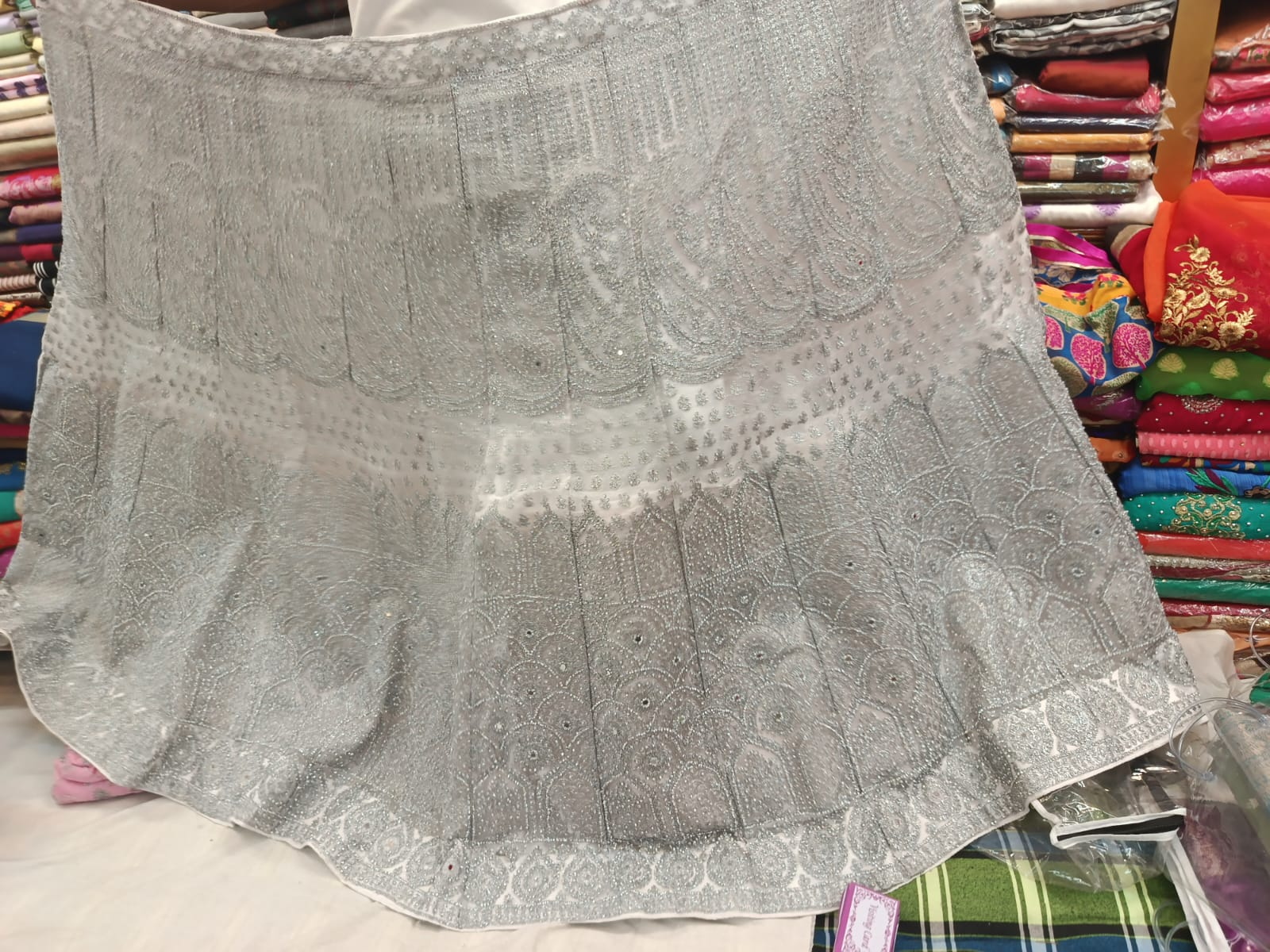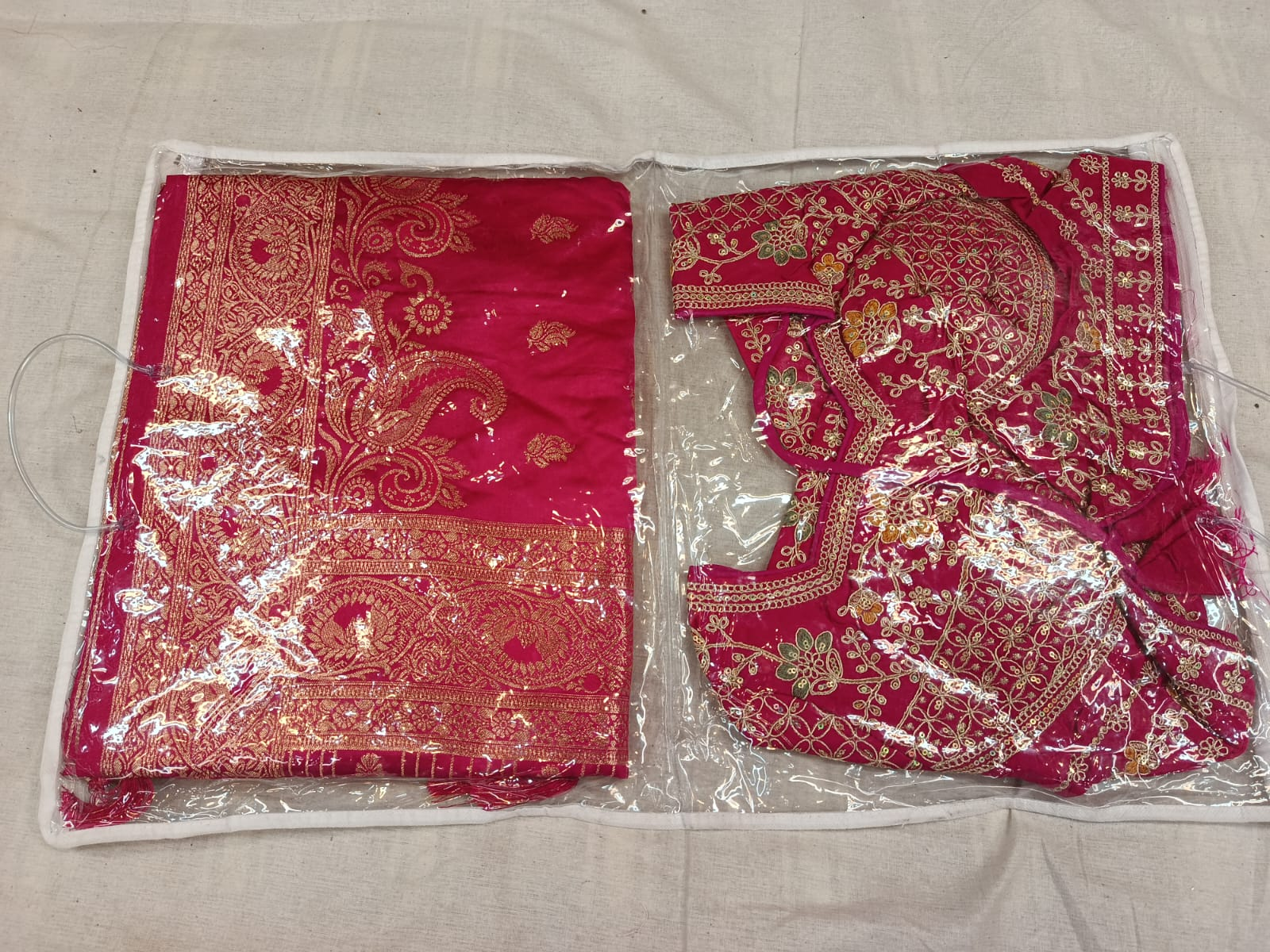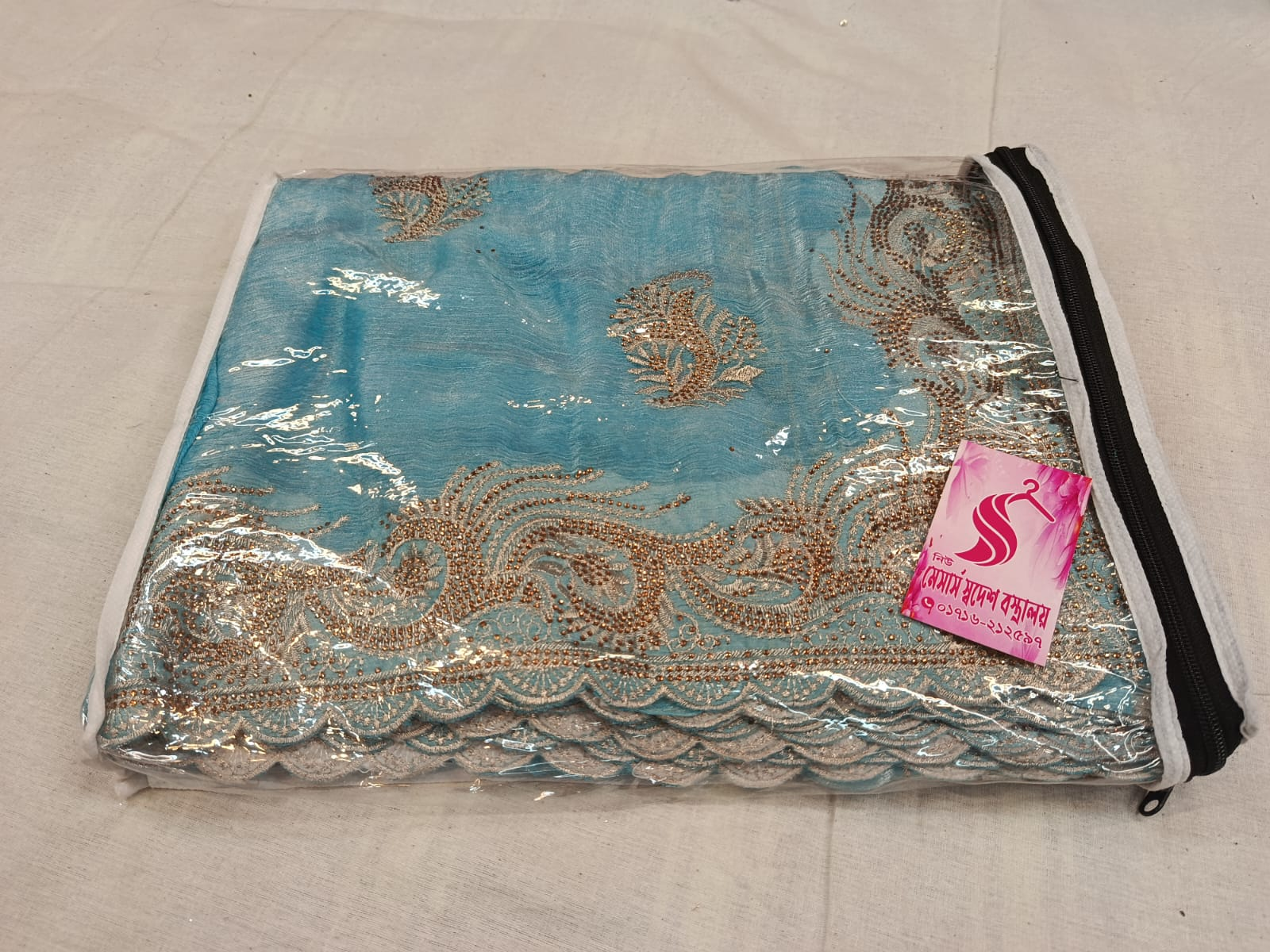

When comparing a Banarasi vs Katan Saree, understanding the intricate textile structures, fiber elasticity, yarn twisting techniques, and decorative weaving methods provides essential insights for fashion enthusiasts and textile professionals alike. At Khanjahan Ali College of Science & Technology (KACST), our Textile Engineering experts break down the technical differences behind these iconic silk garments.
Understanding Banarasi and Katan Silk Fabrics
Both Banarasi and Katan sarees hold a prestigious position in traditional South Asian attire, yet their engineering and production techniques differ significantly.
- Banarasi Silk: Renowned for its rich brocade work, heavy Zari embroidery, and intricate floral motifs (Jaal) inspired by Mughal artwork.
- Katan Silk: Produced by twisting pure silk threads together to create a smooth, ultra-durable, and lustrous fabric structure.
Key Differences: Banarasi vs Katan Saree
To evaluate which saree fabric suits specific functional and aesthetic preferences, consider this technical comparative analysis:
Textile Engineering Behind the Weave
- Thread Preparation: Katan silk relies on fine ply twisting for yarn structural integrity.
- Brocade Integration: Banarasi sarees incorporate supplementary warp or weft threads to embed intricate patterns.
- Finishing Process: Specialized heat setting and calendering maintain fabric hand-feel and dimensional stability.
Frequently Asked Questions (FAQs)
Which fabric is more durable between Banarasi and Katan?
Pure Katan silk is generally more durable due to the high-twist construction of its yarn, giving it superior tensile strength compared to heavily embroidered Banarasi brocades.
Can a saree be both Banarasi and Katan?
Yes! A 'Banarasi Katan Saree' uses pure twisted Katan silk as its base fabric while utilizing traditional Banarasi Zari weaving techniques for decoration.